
SYNTAX IN SPACE - FILM
Short
Director
Fabiane Kemmann
Producer
Fabiane Kemmann, Michael Donath
Starring
Lutz Förster, Pierre Geagea, Alexandra Aidu
Music
Nico van Wersch
Camera, Postproduction
Aleko Gotscheff
Text
Heiner Müller, Fabiane Kemmann, Franz Kafka
Choreography
Pierre Geagea, Anna Seymour
Costume
Nina Kroschinske
Stagedesign
Christian Kleemann
Subtitel
Ann Cotten
Additional Support
Gerd Sälhoff
Sound mixing
Reinund Hornig
Short
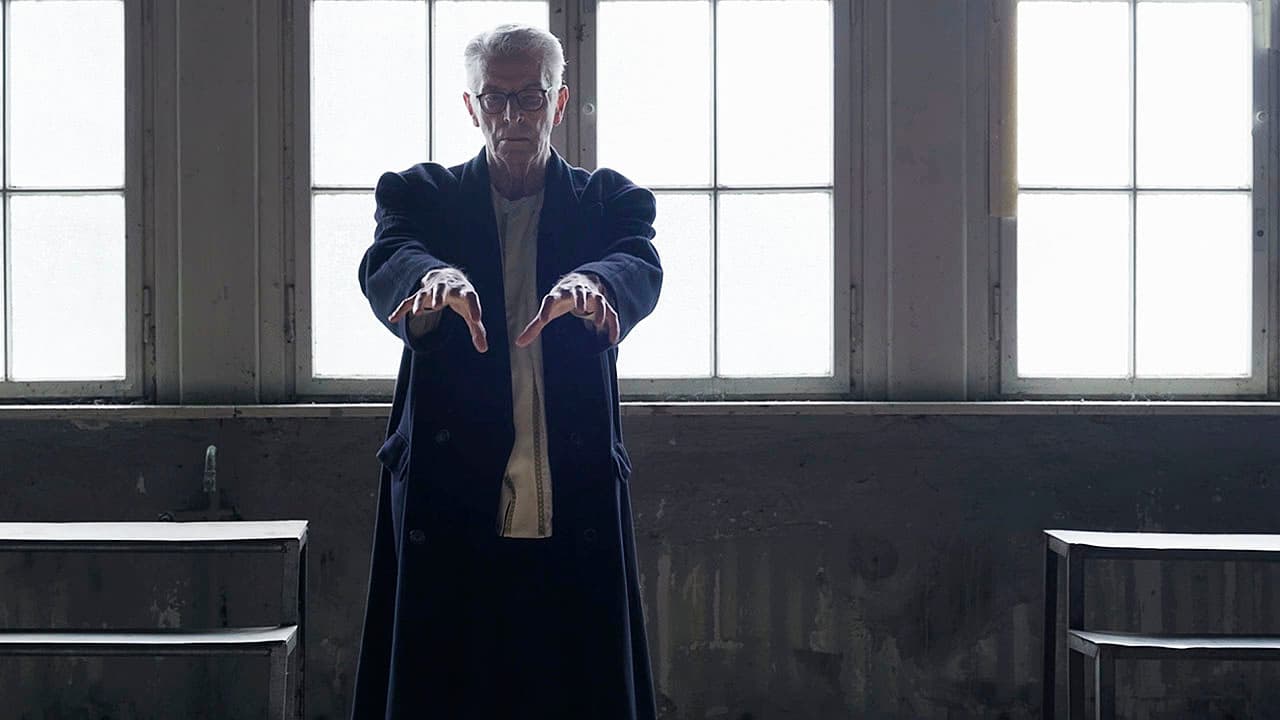
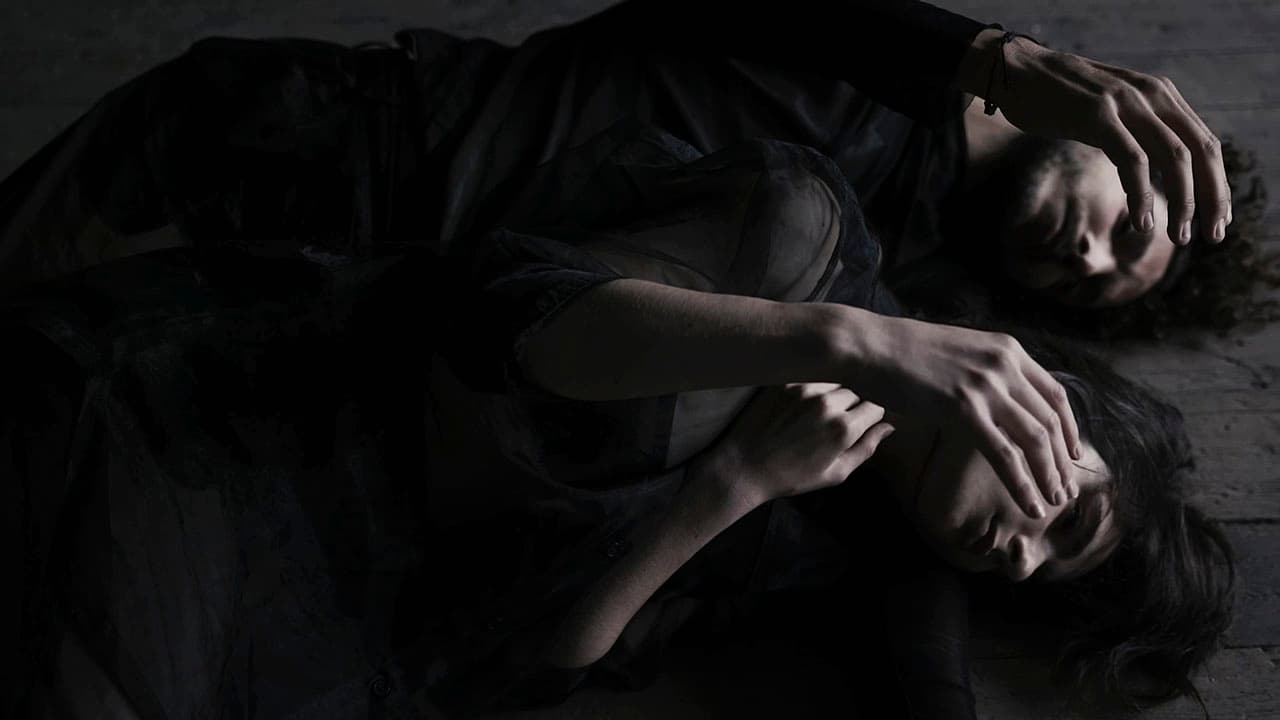
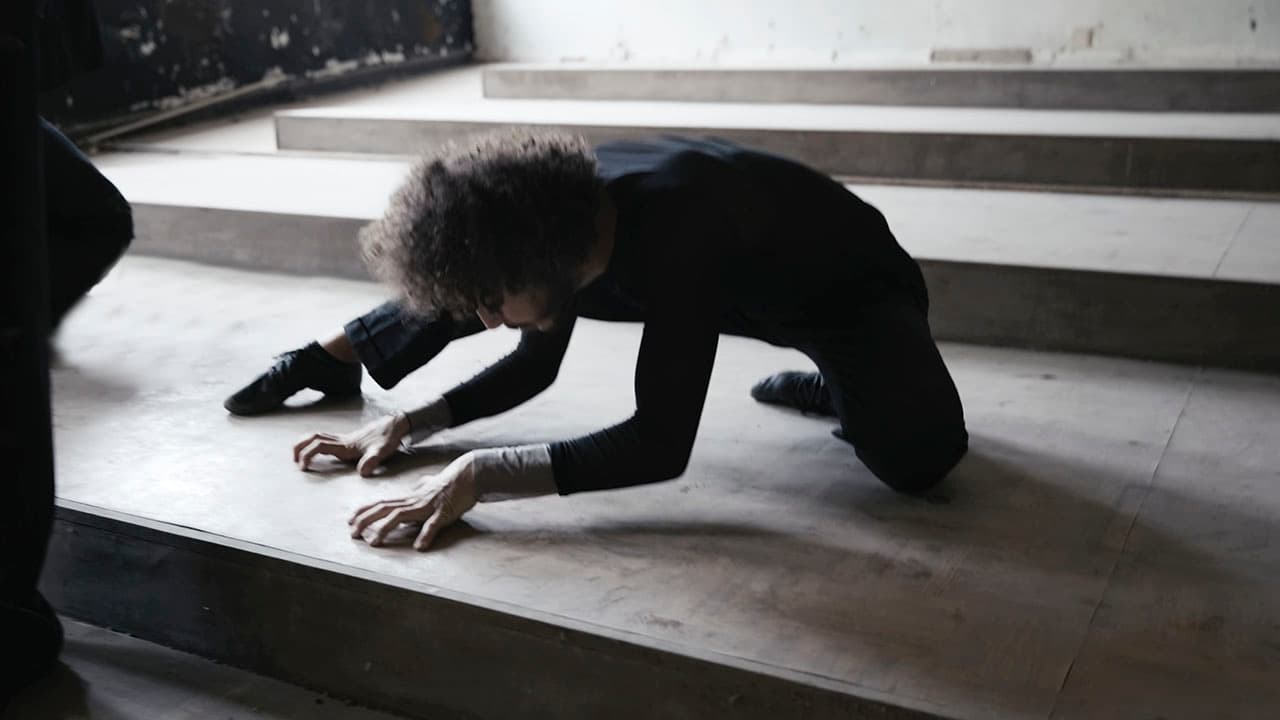
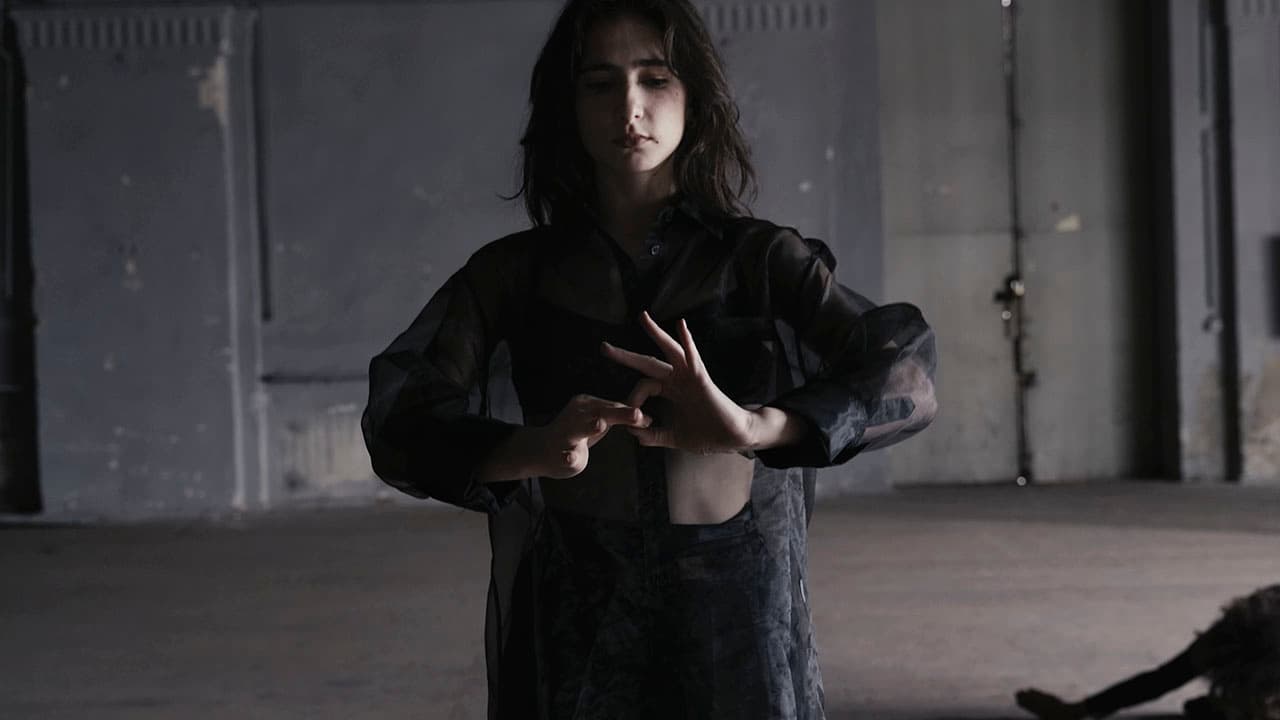
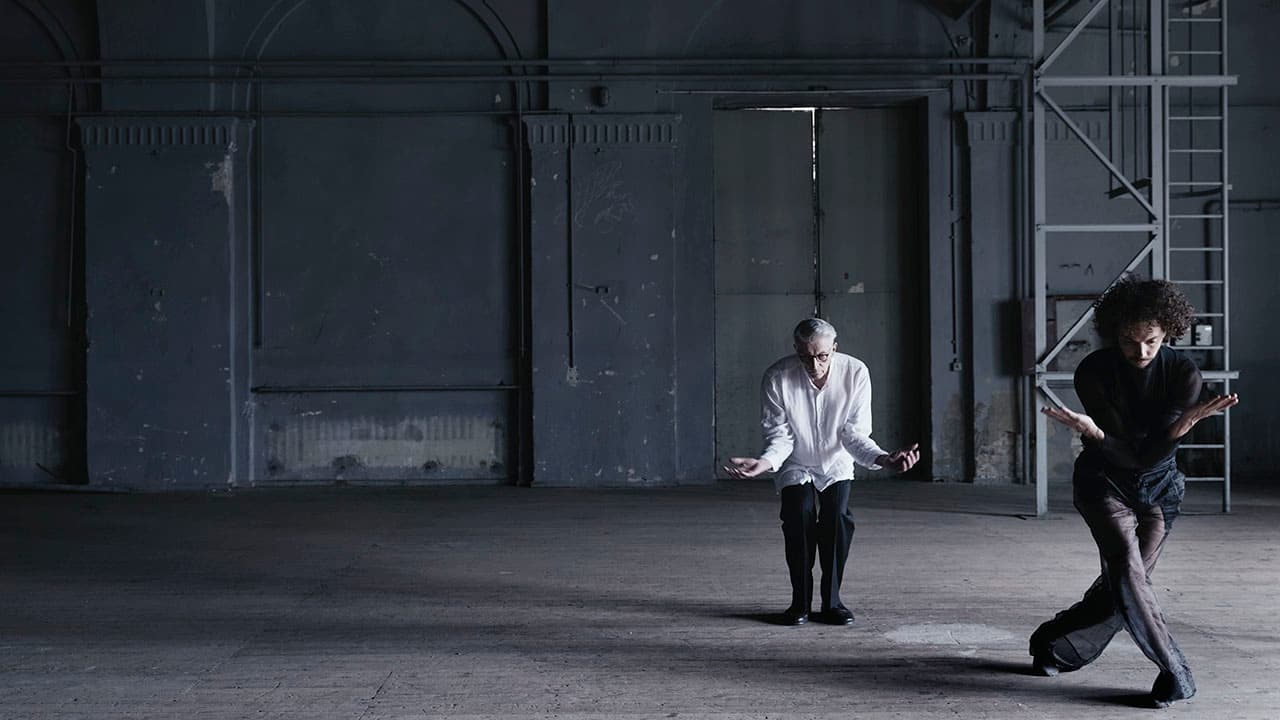
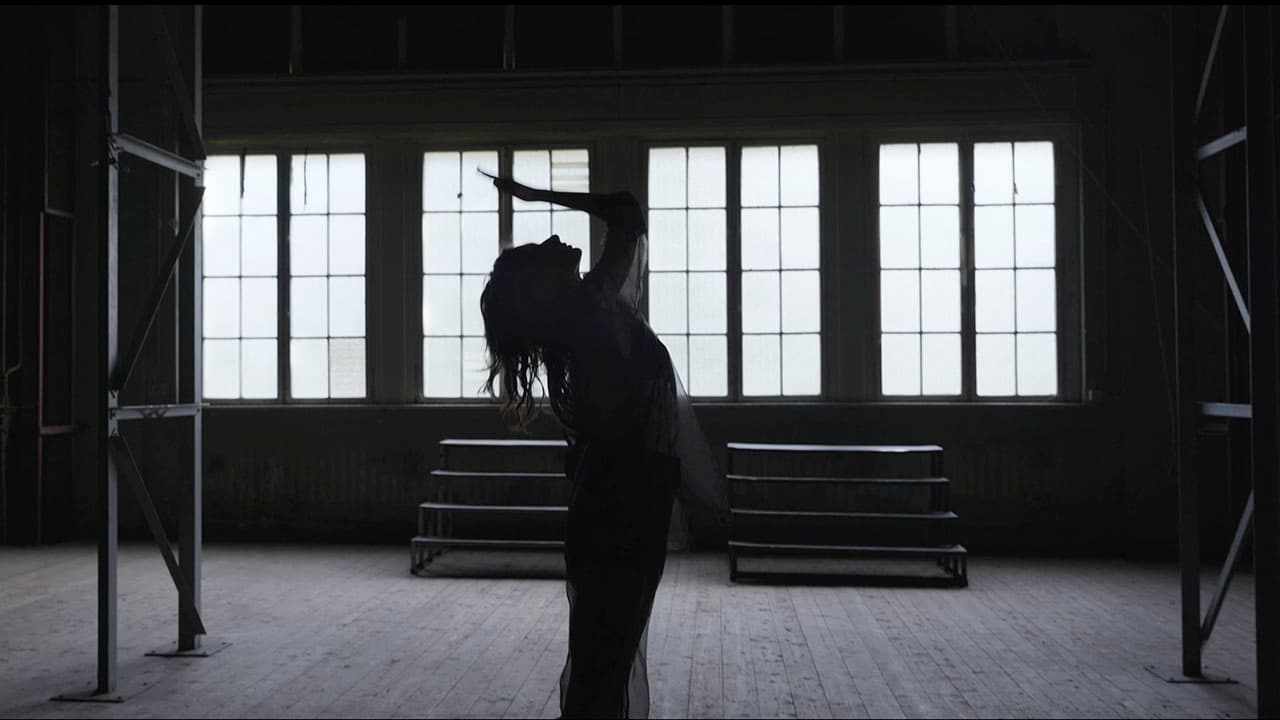
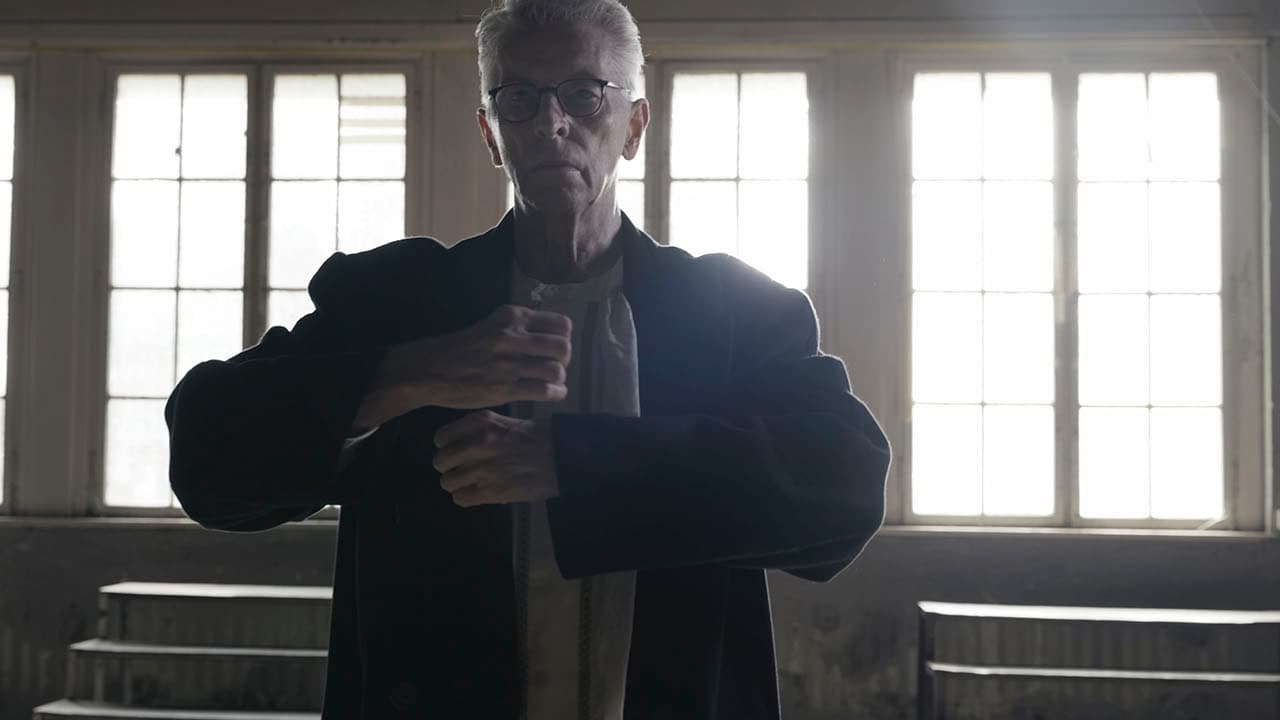
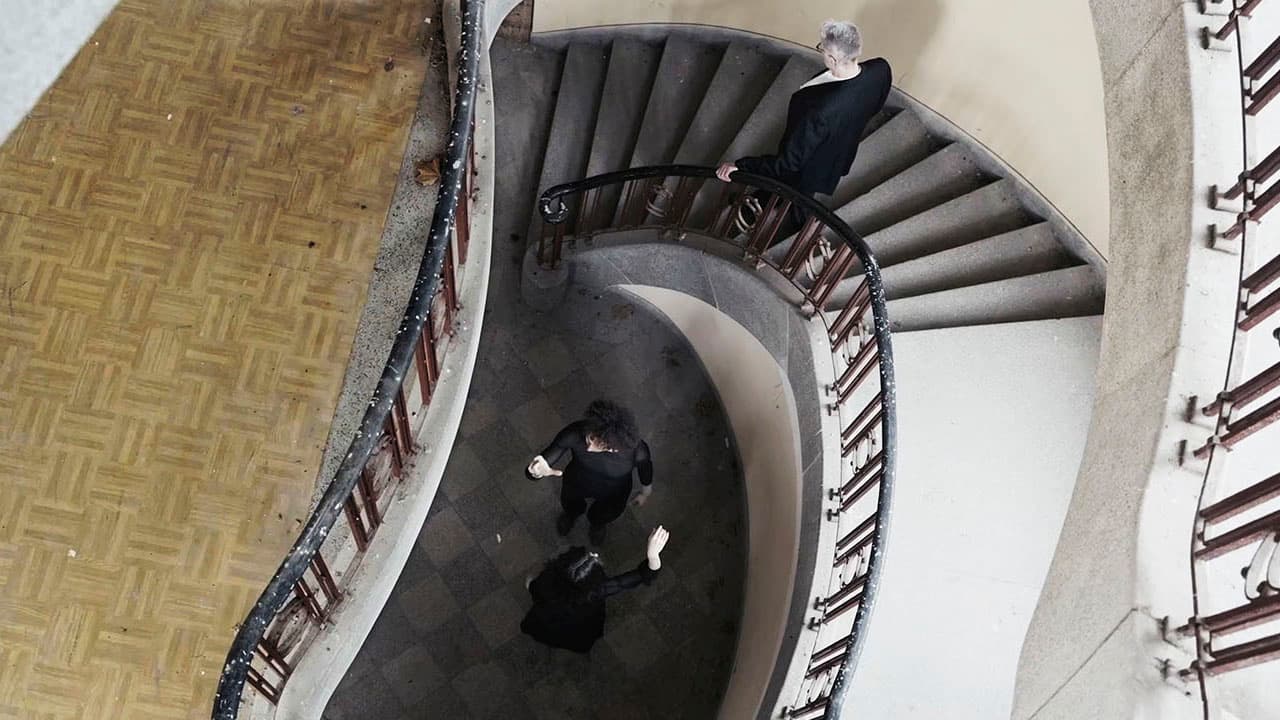
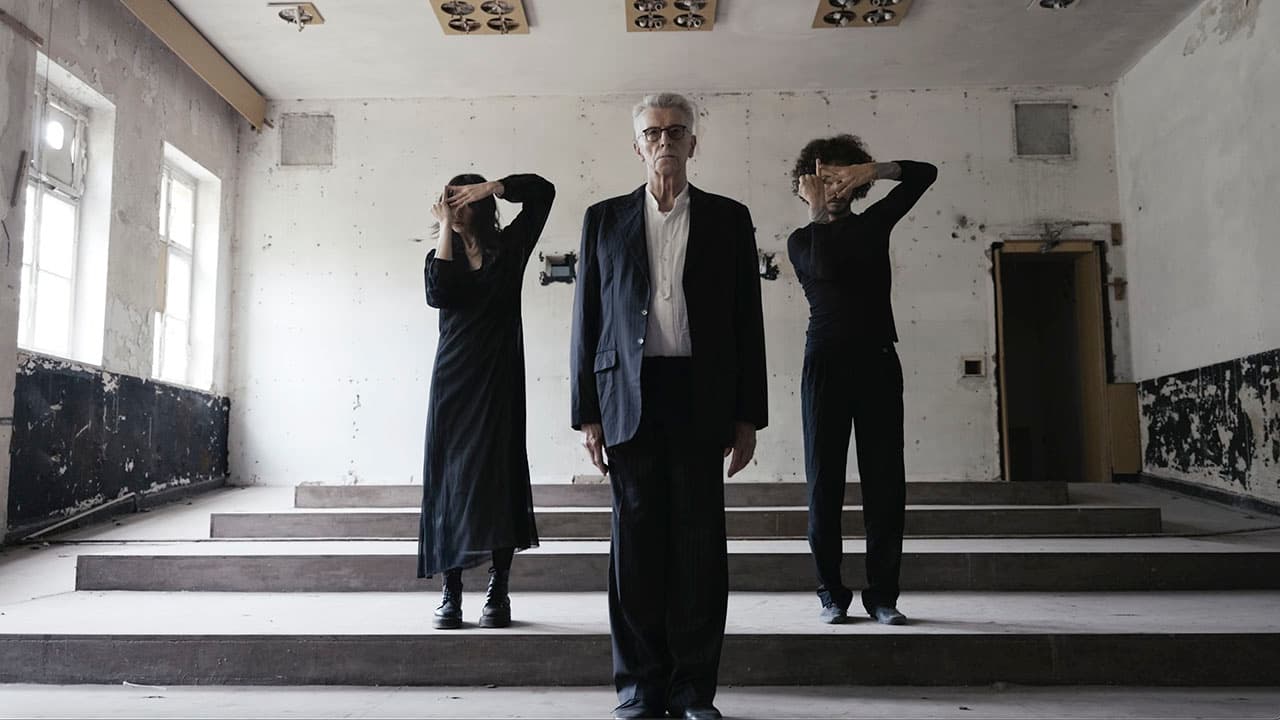
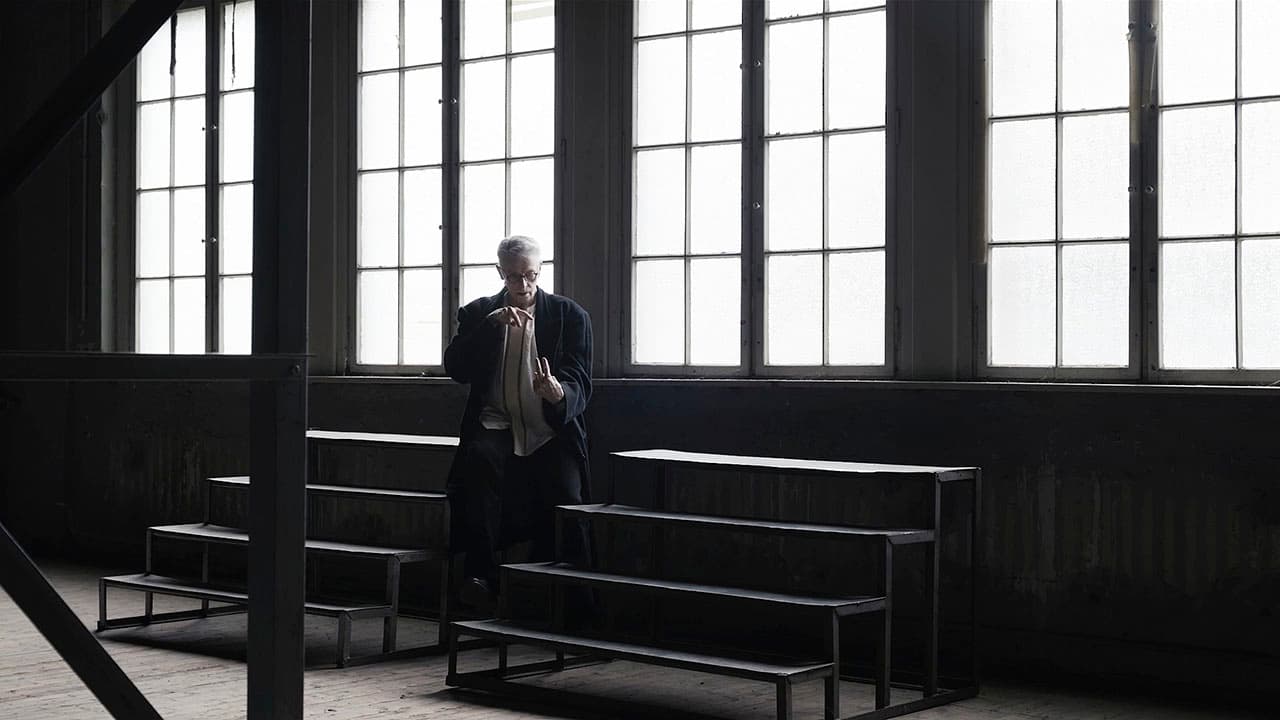
Syntax in Space - Lutz Förster
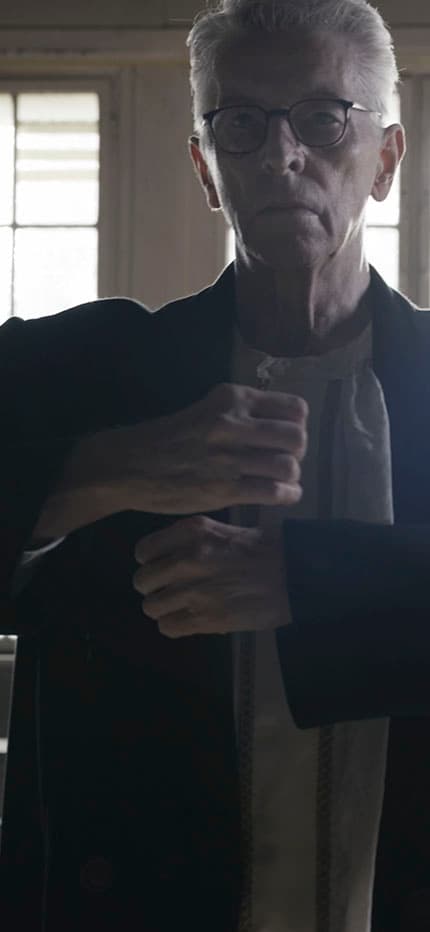
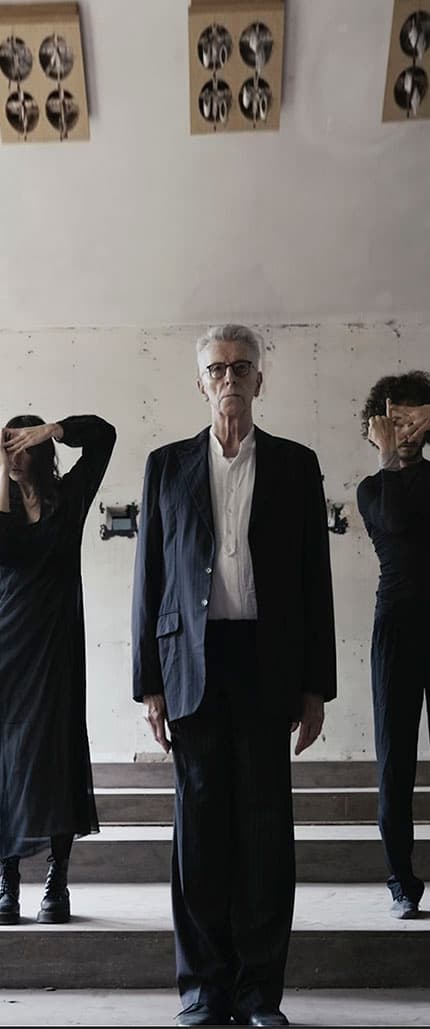
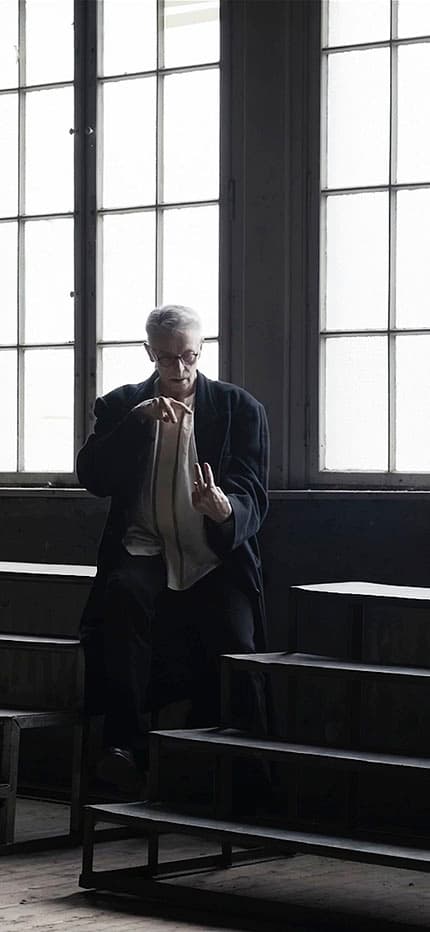
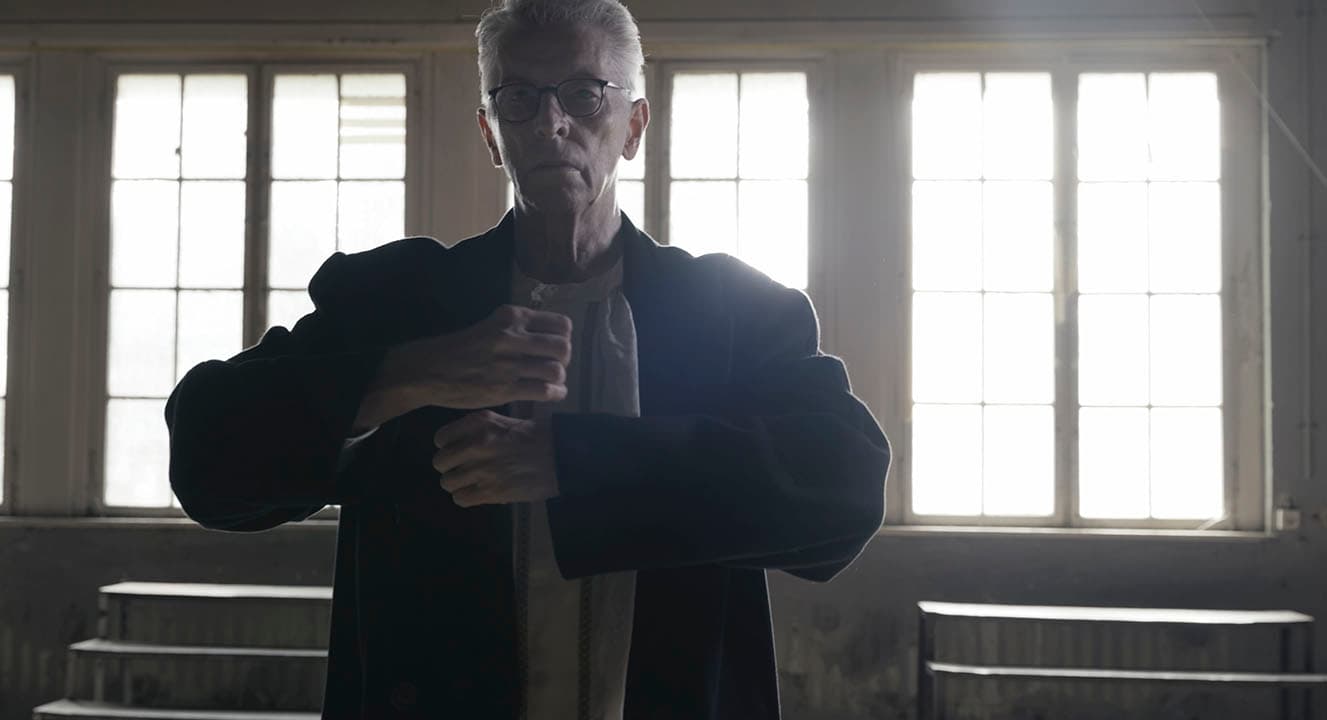
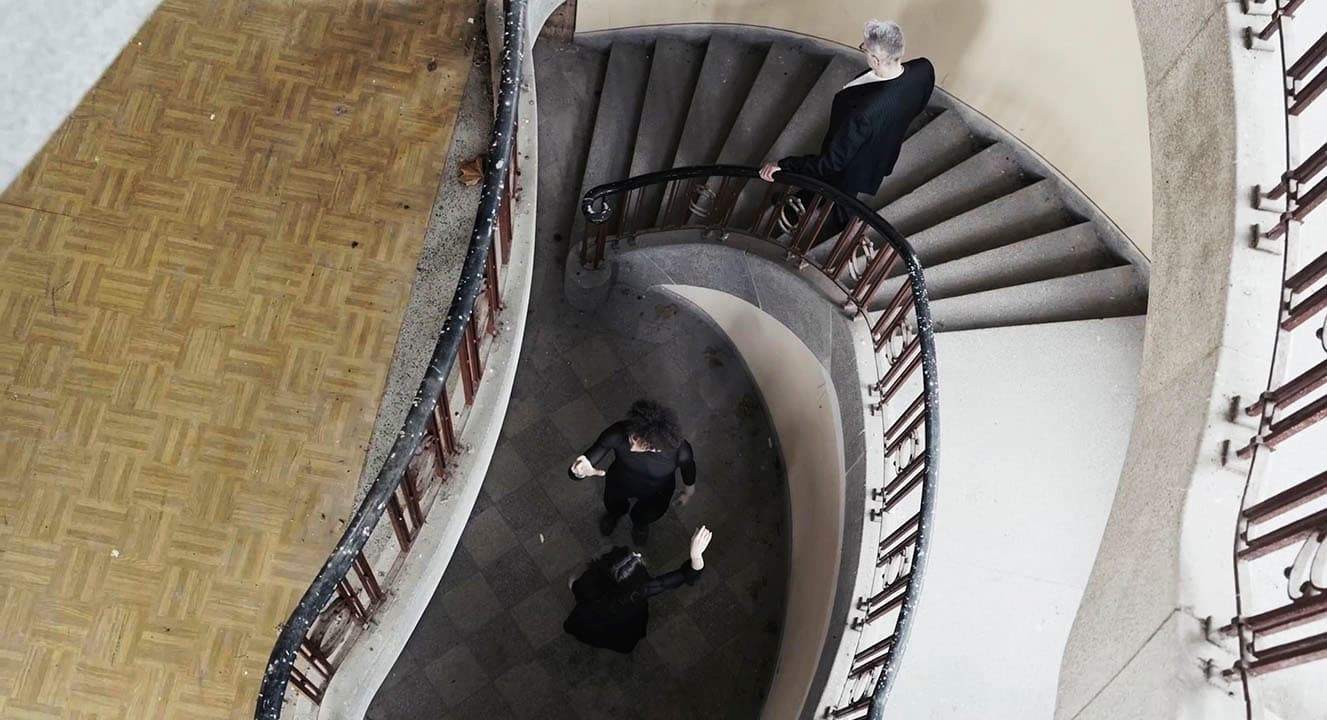
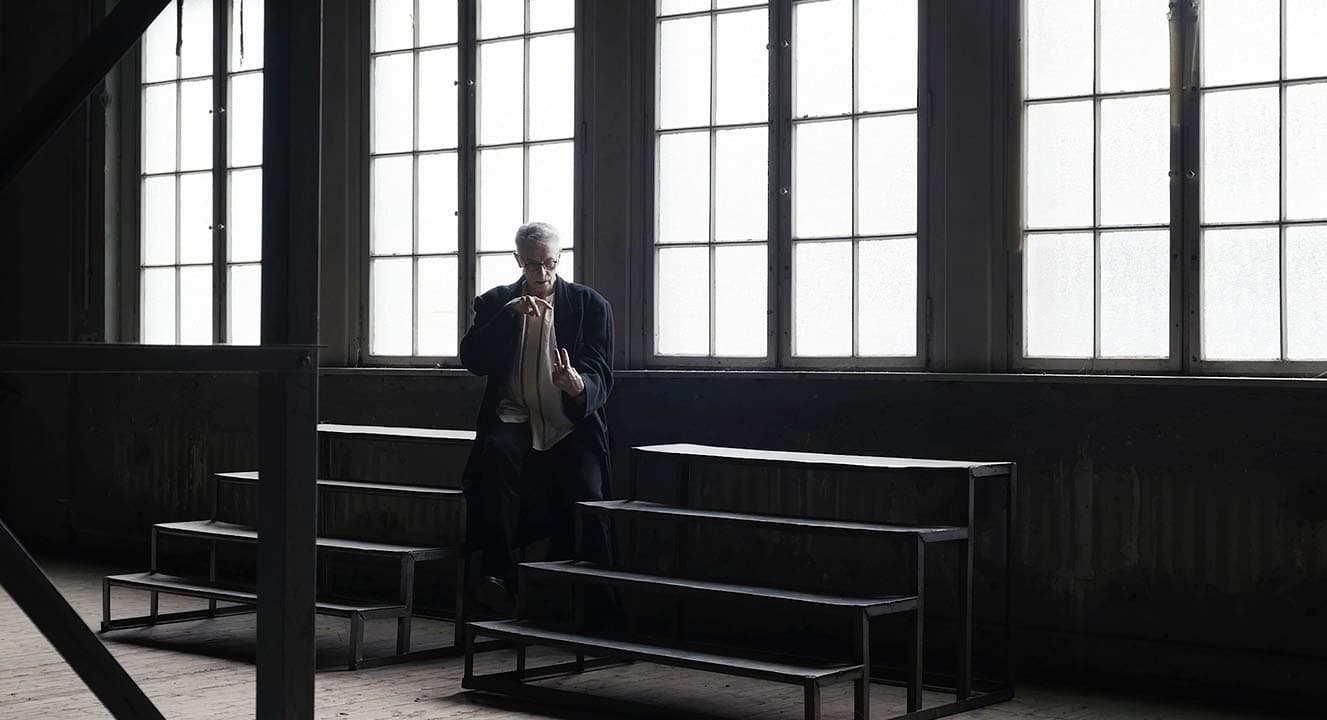
SYNTAX IN SPACE's protagonist, in a split second close to his death, sees his life with his inner eye like a dream. Sitting in the backstage area of the theater in an abandoned city, he watches his own self as a child, in armor, carapace, and visor, walking towards himself. As he sees his face, he gradually surrenders to the encounter with his inner landscape. He begins to walk into the space of this lucid dream, his memories; he sees himself as a young man in the vicinity of a woman. Wandering further into the abandoned city, he comes across his country’s history. Asking himself, „Why do you wake?“ he senses its connection to the present and wakes up to the certainty, „Someone has to wake.“
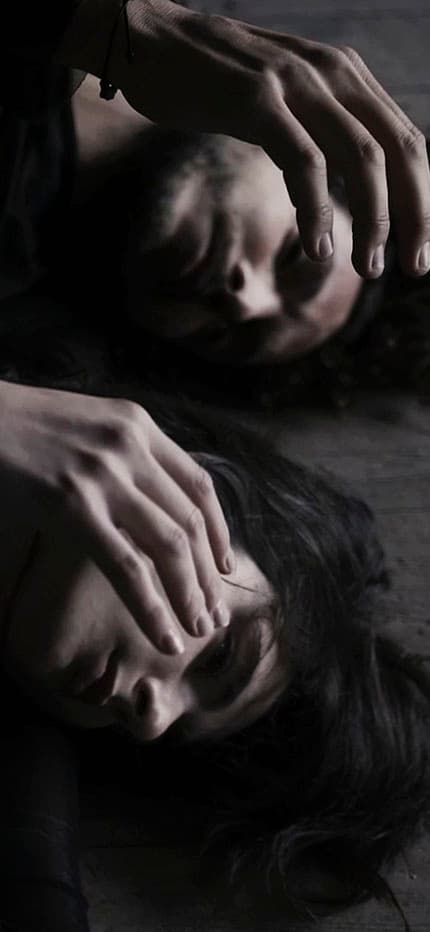
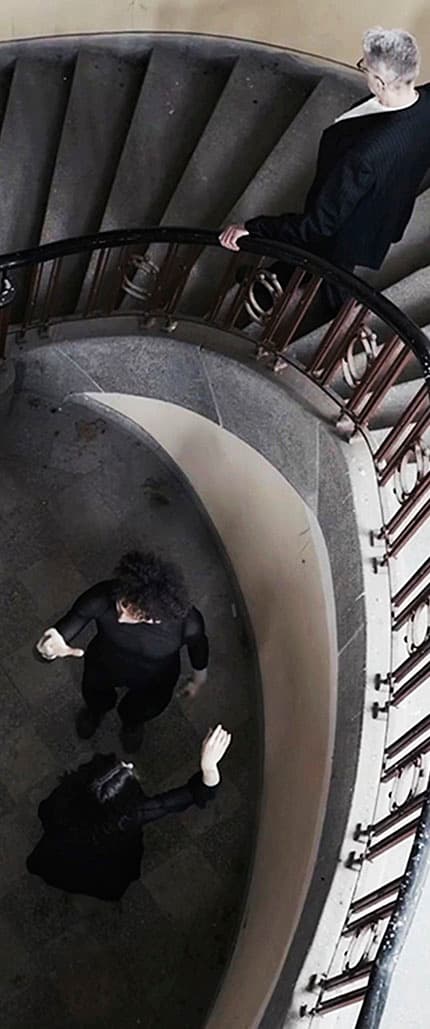
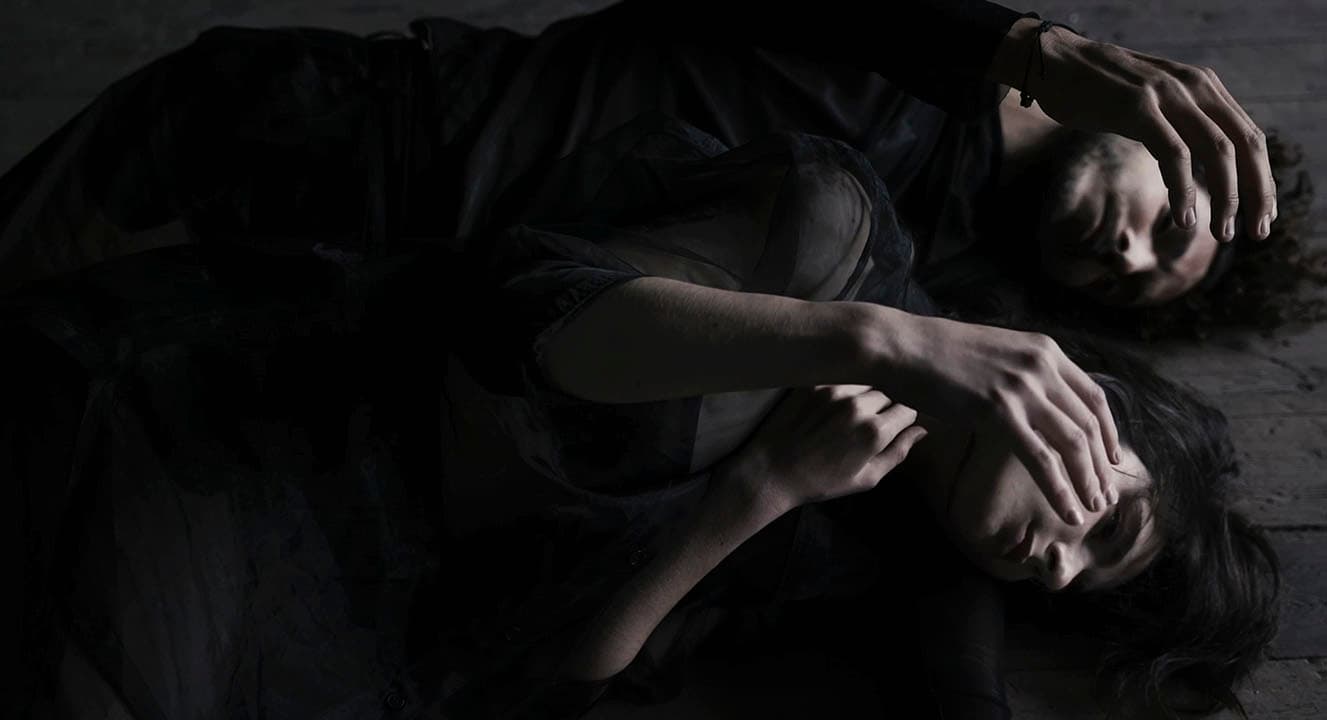
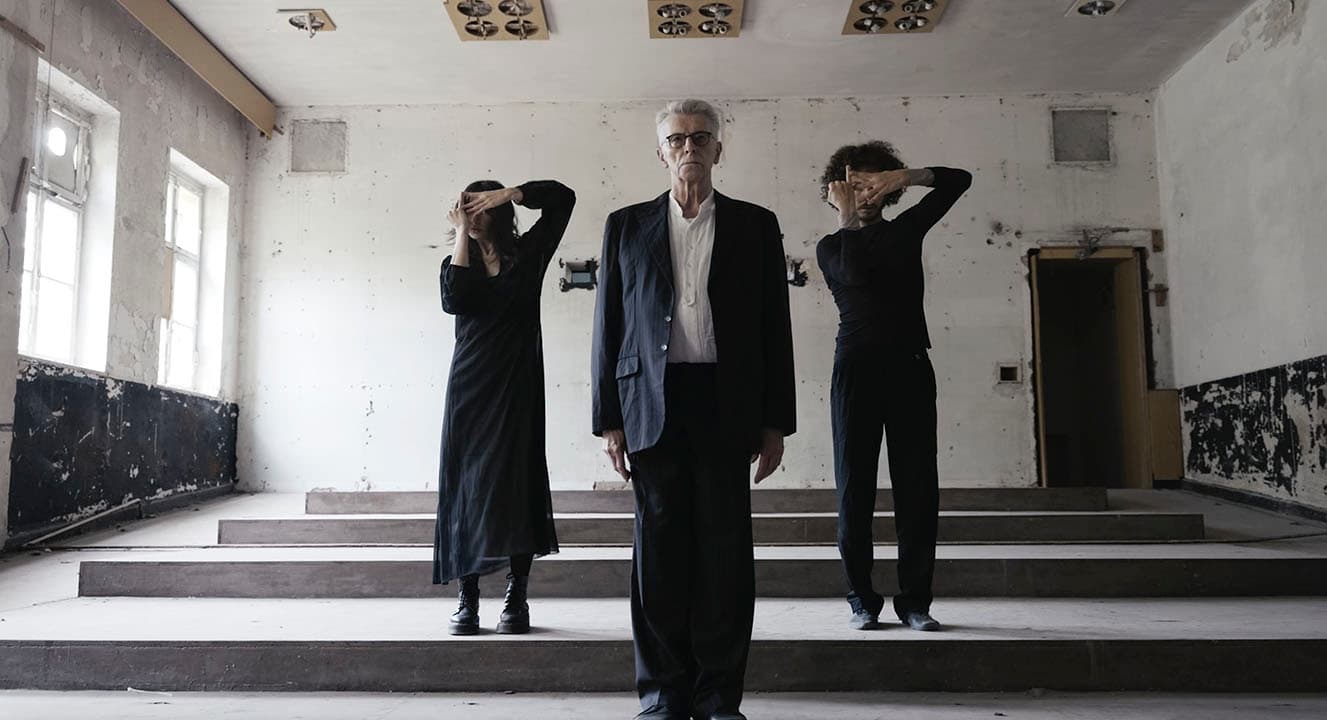
In SYNTAX IN SPACE disparate worlds and their unique languages coalesce into one, through the power of the spoken as well as the signed word, the power of the language of the body in space, and the power of film. Together they forge the silent enigma of the language of dreams and the contradictory experience of the inner landscape that the protagonist, played by Lutz Förster, wanders in his mind. For over 40 years, Förster performed a solo in sign language in the Company of Pina Bausch, and after leaving it in 2016, he first returns to the arts of signed expression for SYNTAX IN SPACE in an encounter with the deaf dancer Pierre Geagea and the young dancer Alexandra Aidu. Simultaneously, he depicts the protagonists wanderings in the spoken words of Heiner Müller, Franz Kafka, and Fabiane Kemmann. They structure the film in three acts that are set to a soundtrack by Nico van Wersch, composed in layers of music and located near Berlin in the formerly largest Soviet military facility outside the Soviet Union, now abandoned.
SYNTAX IN SPACE is winner of the Art Visuals & Poetry Film Festival Vienna 2026
JURYSTATEMENT
PROLOGUE by Prof. Dr. Martina Pfeiler: Speaking personally, I was struck by the film’s poetic and communicative openness, poetry’s multimodal translatability, using dance – as performed by deaf-born Lebanese artist Pierre Geagea, who combines dancing and British and Lebanese sign language as shown with his equally remarkable dancing partner Alexandra Aidu. Both performers use sign language with such candid choreographic clarity and visual precision that it has changed my perception of poetry and its accessibility.
LAUDATION In Syntax in Space, Kemmann’s own poem “Hieroglyphe” enters into a haunting dialogue with Heiner Müller’s “Traumwald” / “Dream Forest” (published in 1996), which opens the film in the first act. Franz Kafka’s prose piece “At Night” (written around 1920) closes the film. The poetic voice-over of all three acts is spoken by Lutz Förster, a renowned German performer who is highly experienced in signing language, creating syntax in space.
In this combinatory remix of past and present, the film represents the three poetic acts as a performative reflection of the liminal space between life and death, dreams and memories, black and white, shadow and light, young and old (and the list could go on). Additionally, the film is set to a mesmerizing soundtrack by Nico van Wersch that infuses the experience of the film, which takes place in the now- abandoned former Red Army headquarters near Berlin, once the largest Soviet military facility outside the Soviet Union.
As Fabiane Kemmann describes the film, everything is connected through the protagonist’s “inner eye like a lucid dream. […] He “surrenders to the inner landscape of memory. He sees himself as a young man beside a woman; wandering further through the deserted city, he traverses the history of his country.”
“ …someone must wake. Someone must be there.”
In this fragile day and age, this line serves as an acute reminder for all of us to stay awake. “Einer muss wachen. Einer muss da sein.”
CINEMA RELEASE December 2025, Brotfabrik Kino, Berlin
Distribution: Partisan Filmverleih
FESTIVAL SCREENINGS
October 9–11, 2026, Moovie Festival, Cologne
September 26, 2026, Finalist at the MPArt Festival, Larissa, Greece
July 4, 2026, Fourth Poetic Film Festival, Buenos Aires, Argentina
June 4–7, 2026, Zebra Poetry Festival Berlin, Silent Green
April 20, 2026, Grand Prize at the Art Visuals & Poetry Film Festival, Vienna, Austria
Syntax in Space is part of the same name POETRY-SIGNDANCE-MUSIC-APPLICATION-GAME IN DIGITAL SPACE FOR 3 DANCERS, 6 VIOLAS AND PERCUSSION after an origianal idea of Michael Donath.