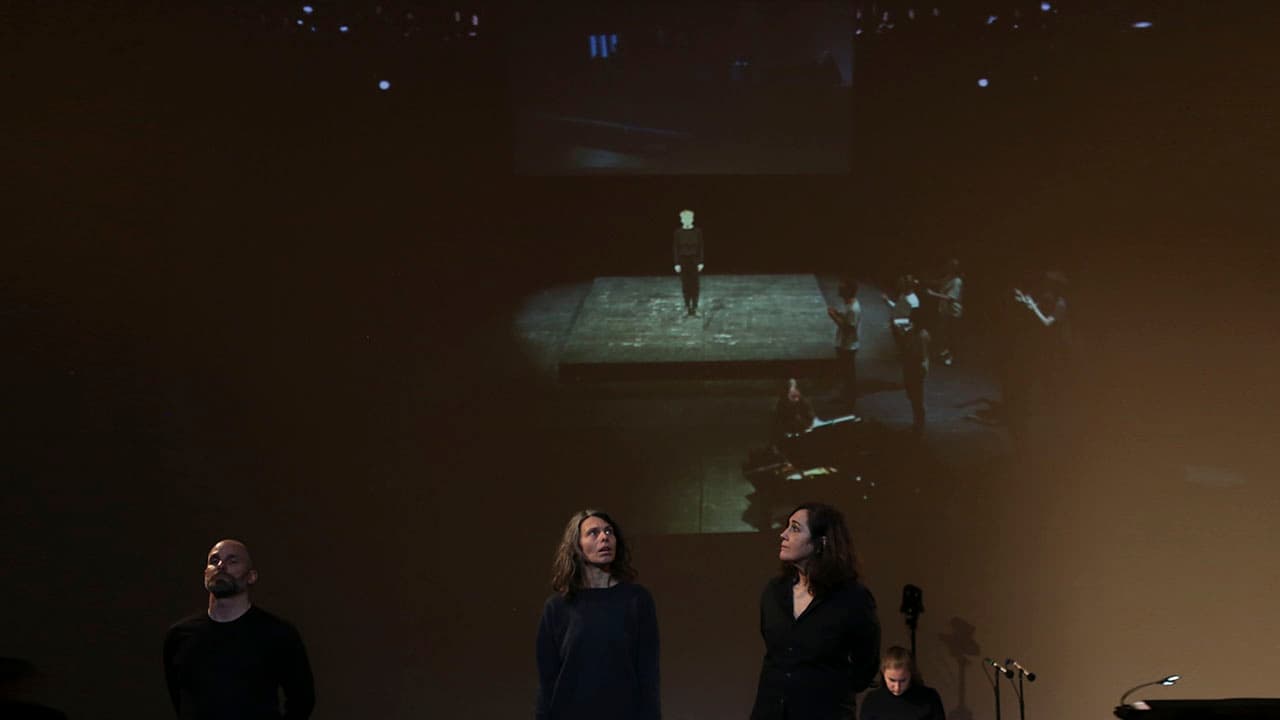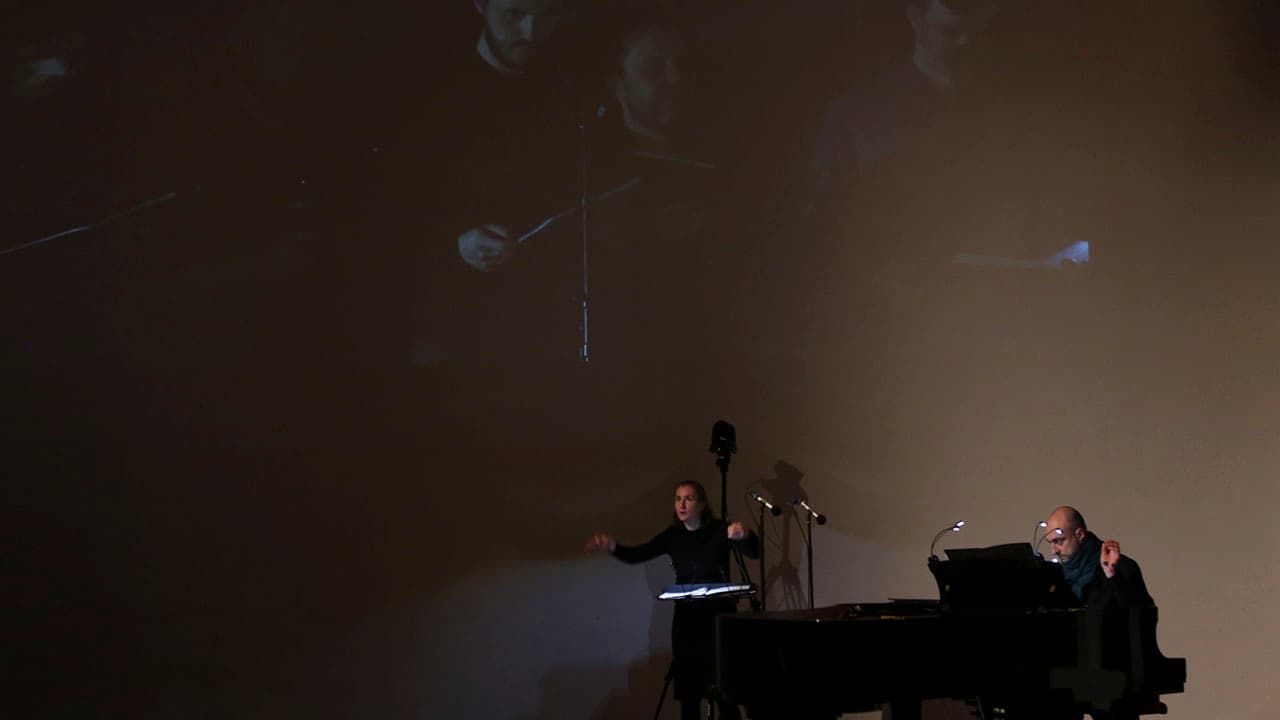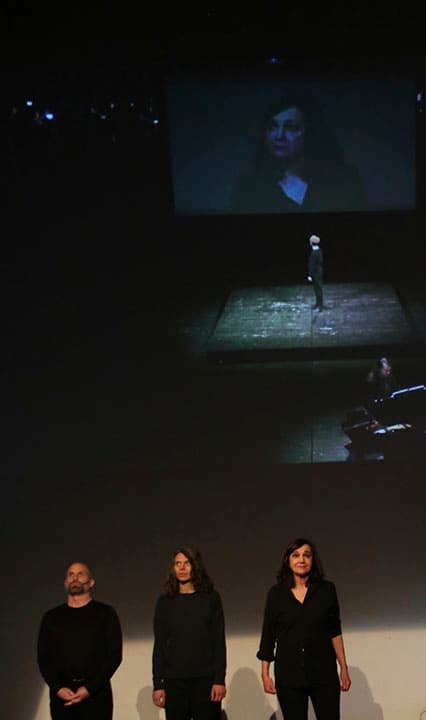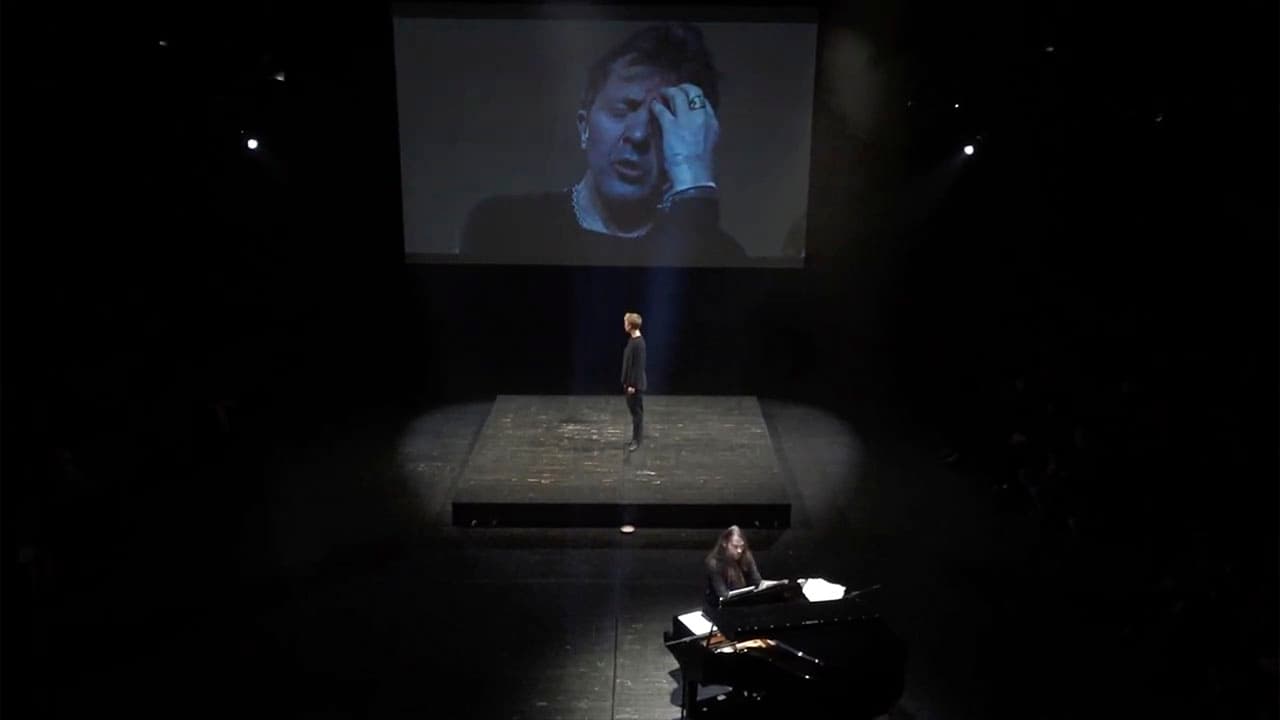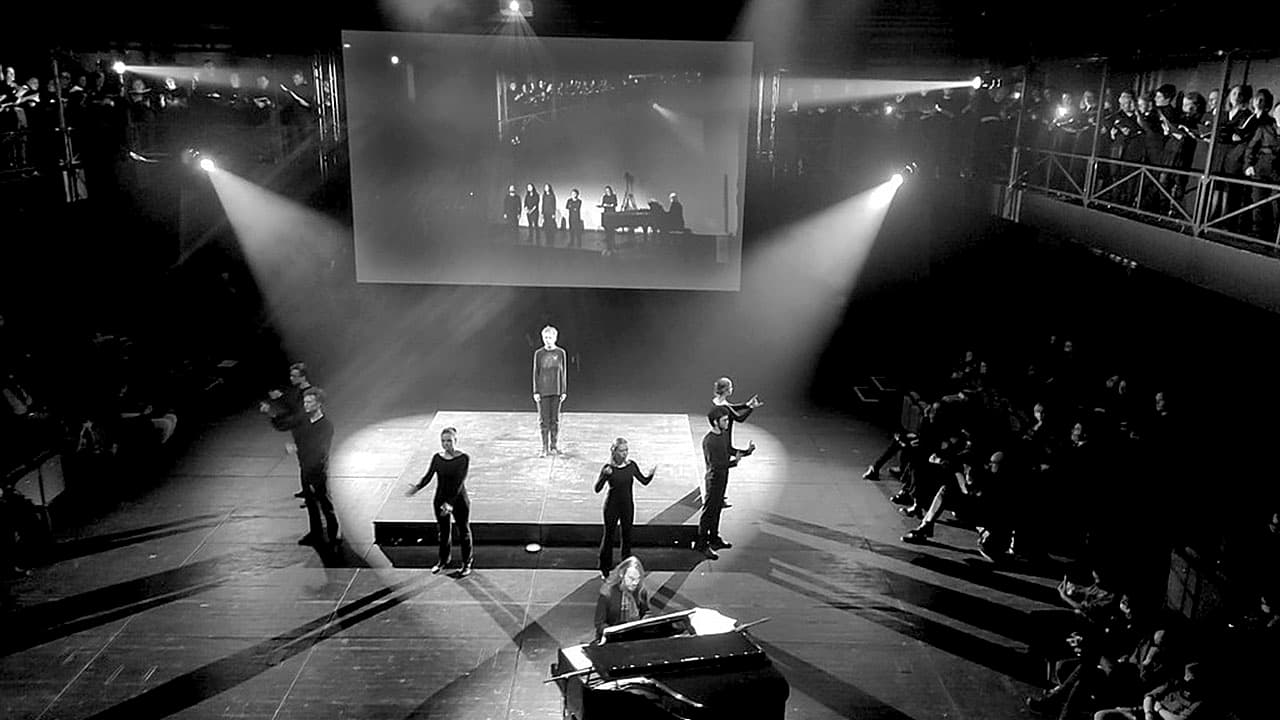
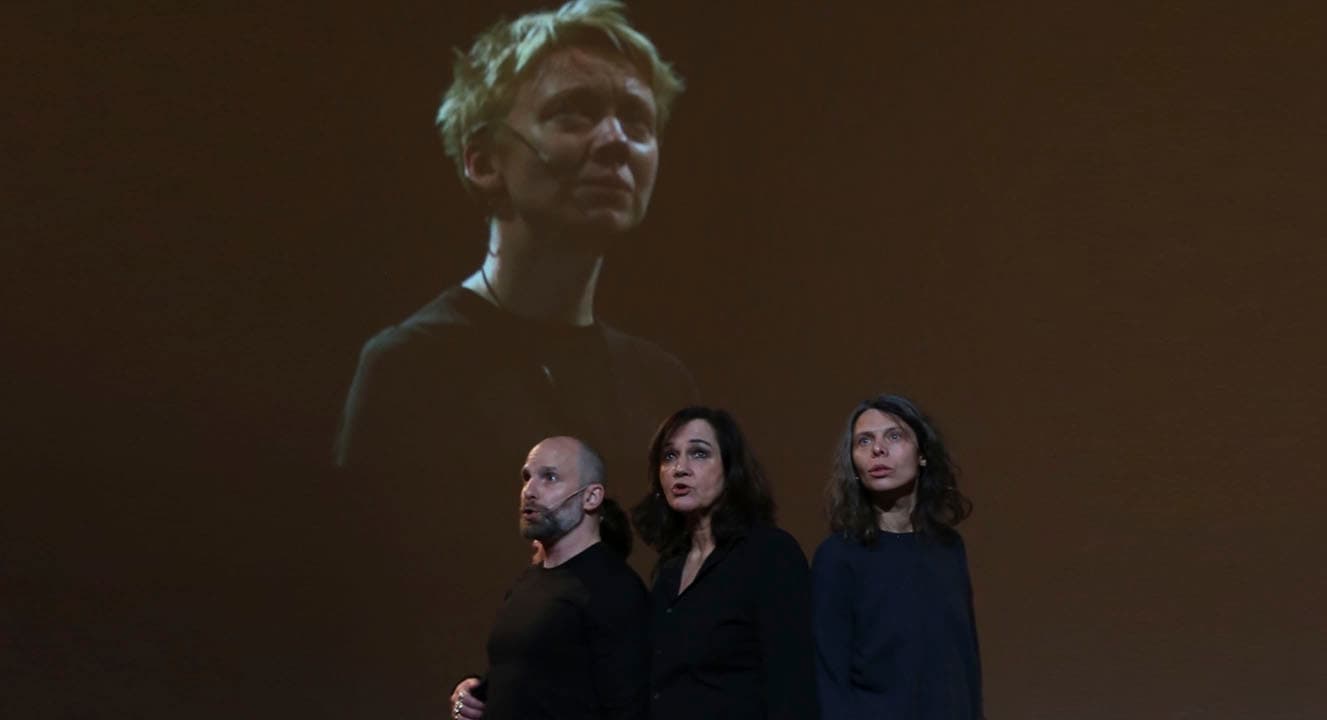
Eisler/Prokoll I - Migizko in Moscow, Breitkreiz, Kryshak, Zilcher, Bennent, Antonenko in Berlin
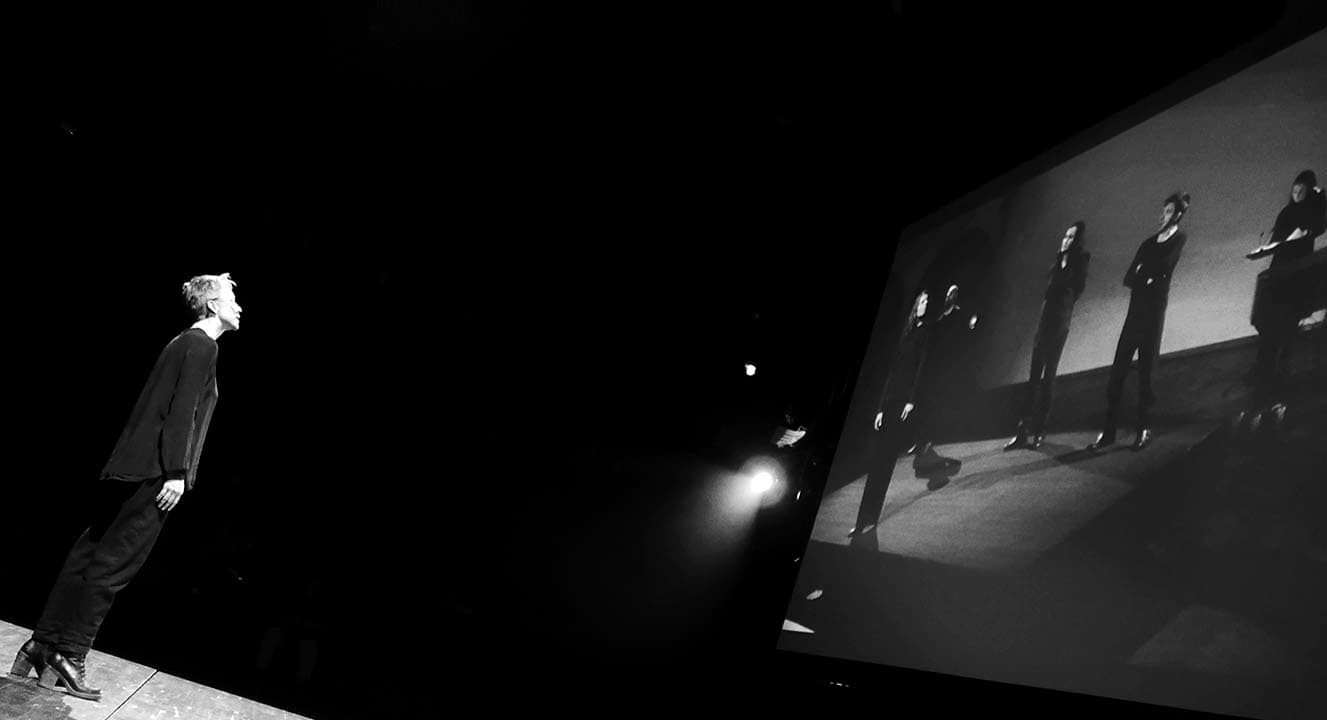
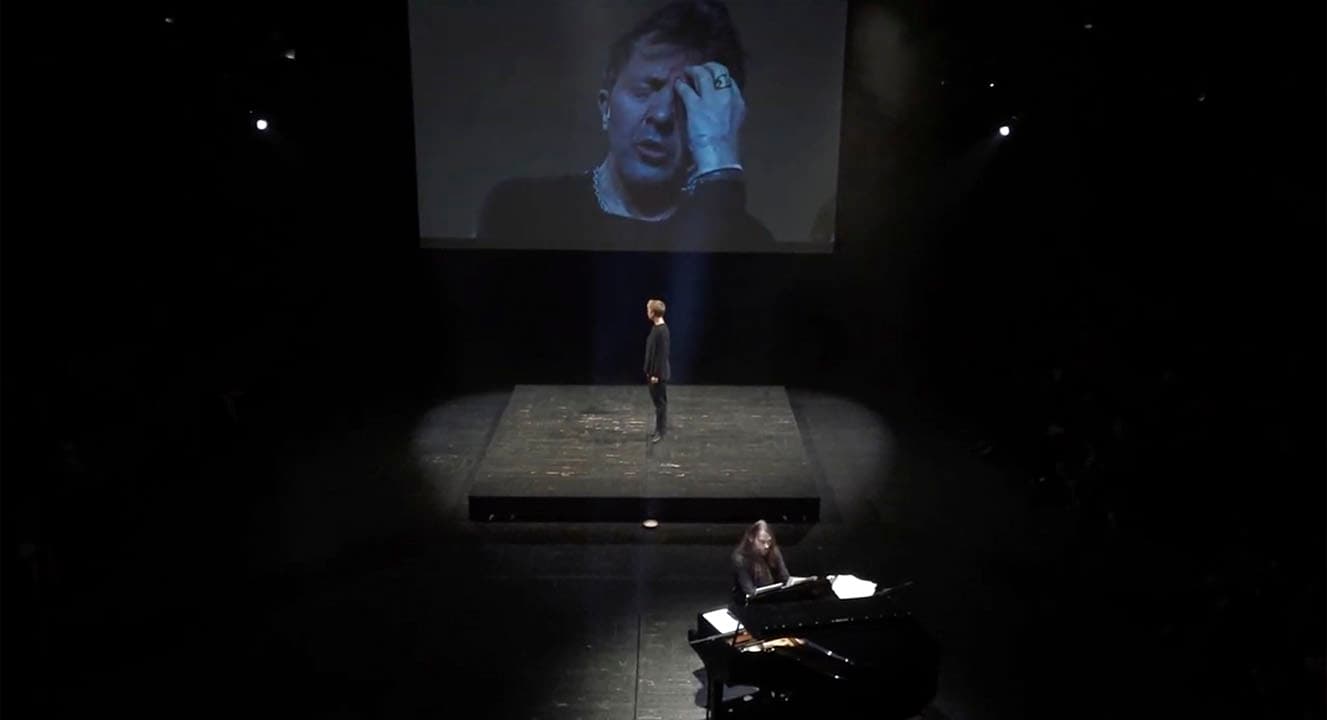
Eisler/Prokoll I - Migizko in Moscow, Kryshak, Zilcher, Breitkreiz in Berlin
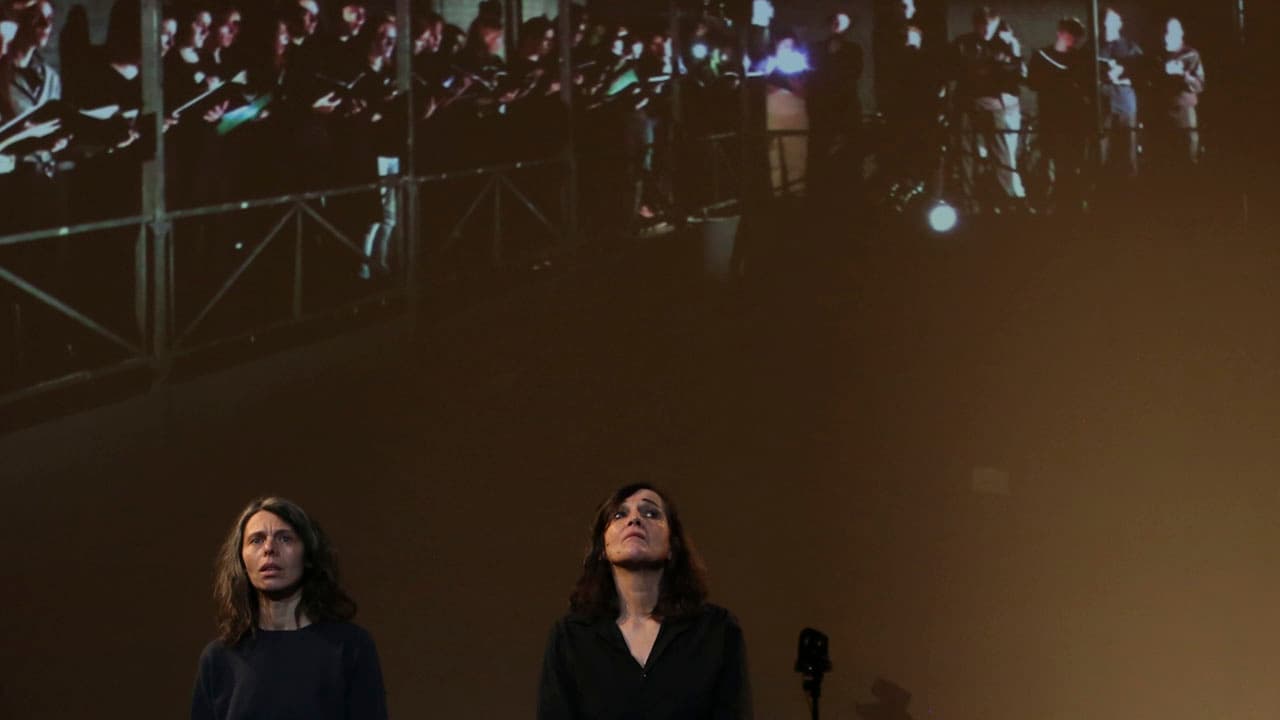
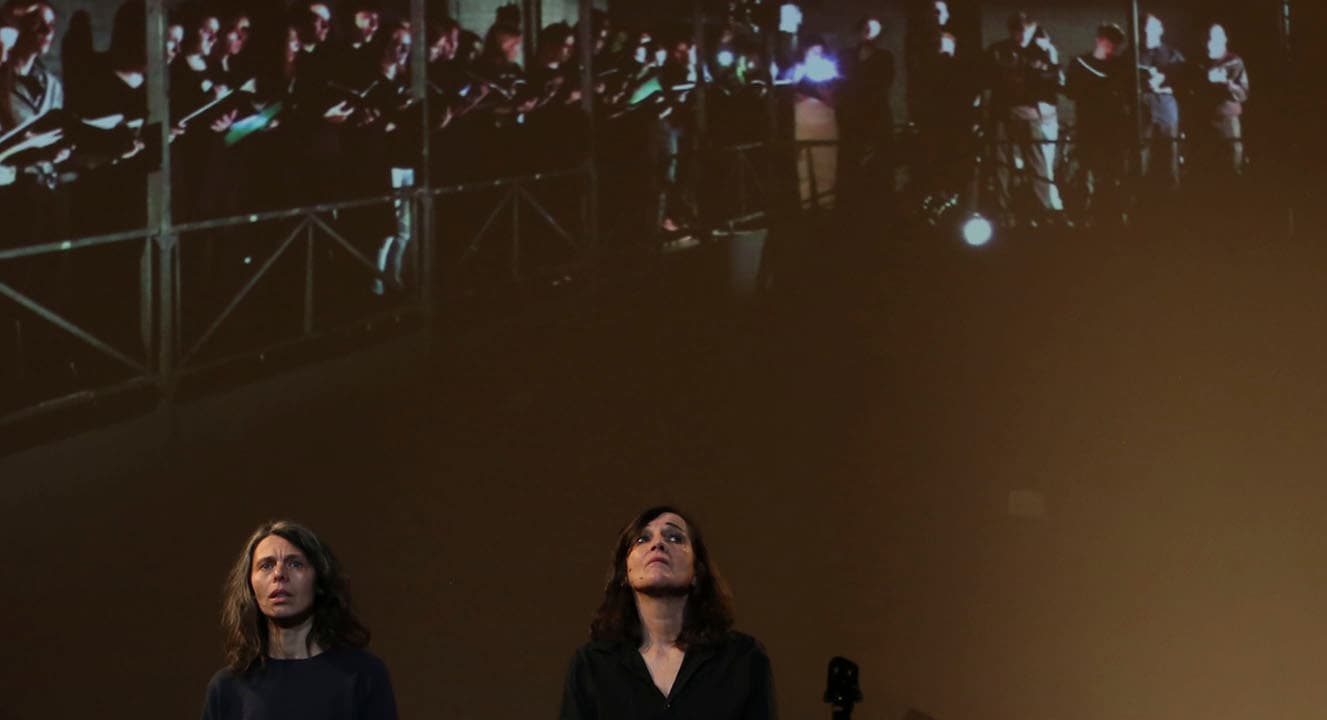
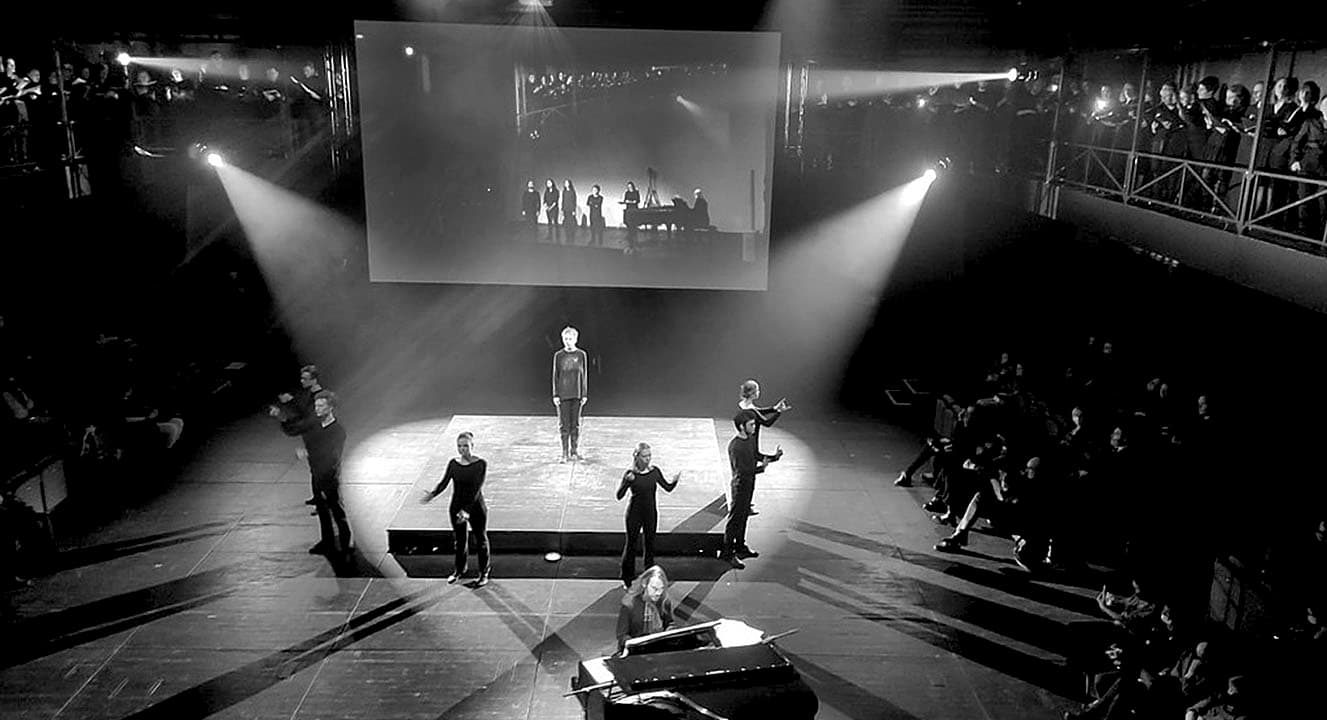
Eisler/Prokoll I - Breitkreiz, Zilcher in Berlin, Choir in Moscow
Eisler/Prokoll I - Ivan Sacharov, Angelina Varganova (Sign language choir), Migizko in Moscow
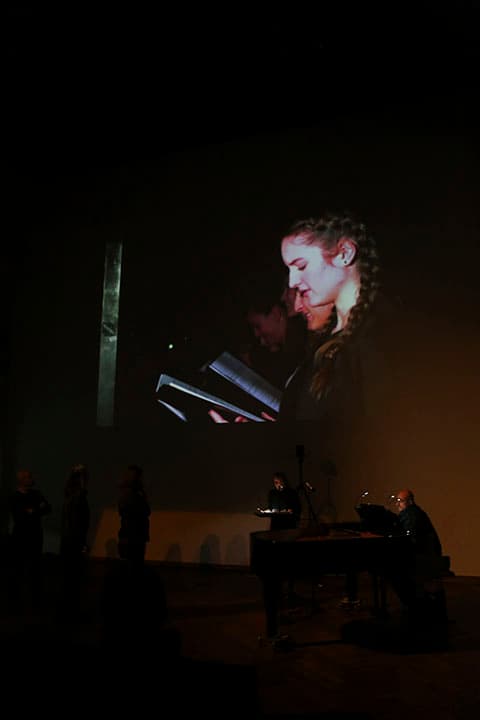
Eisler/Prokoll I - Chorister in Moscow, Antonenko, Aidu in Berlin
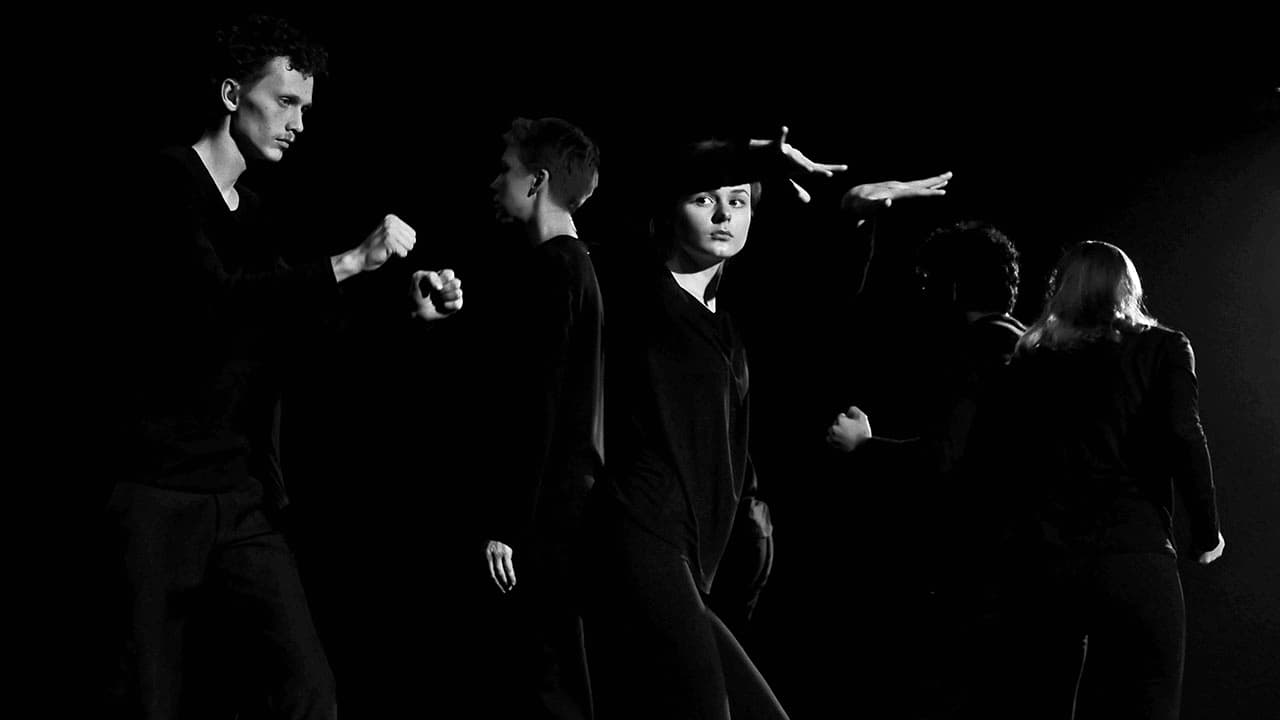
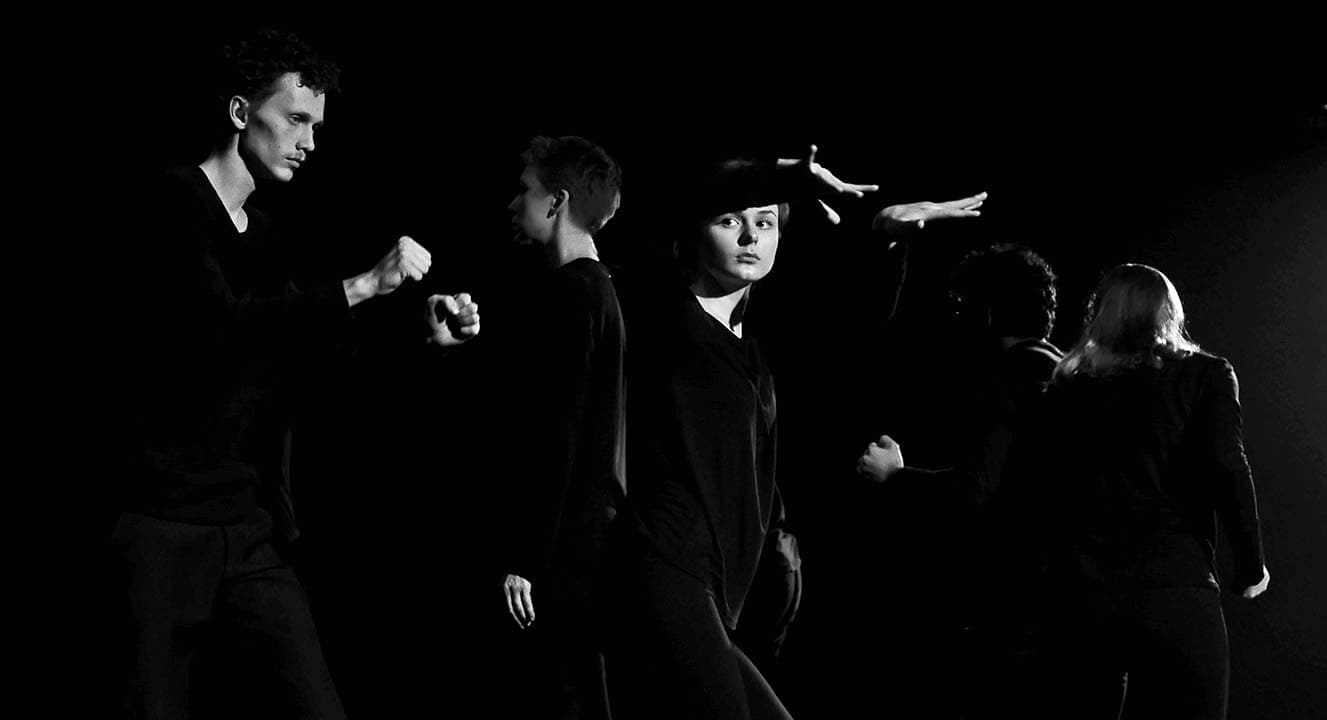
Eisler/Prokoll I - Kryshak, Breitkreiz, Zilcher, Antonenko in Berlin, Migizko, Armirov, Sign Language Choir in Moscow

EISLER / PROKOLL I

Live simultanously in Berlin and Moscow

Director

Fabiane Kemmann

Musical Director

Peter Aidu

Conductors

Ekaterina Antonenko, Andrey Kotov

Starring

Almut Zilcher, Margarita Breitkreiz, David Bennent, James Kryshak, Ekaterina Migizko

Piano

Peter Aidu, Fjodor Armirov

Choirs

Professional Choirs: Synagogal Ensemble (Berlin), Ensemble Sirin, Intrada, Sign Language Choir Uteatr (Moscow)
Amateur choirs: Lysius Choir, Refugio Choir, Erich Fried Choir (Berlin), Chamber Choir “CARPE DIEM” of the National Research Nuclear
University “MIFI”, Choir of the Moscow Pedagogical University, Choir of the State University of Economics (Moscow)

Text

Alexander Blok, Vladimir Mayakovsky, Bertolt Brecht a.o.

Translation

Fabiane Kemmann

Musical Text Editing

Arno Waschk

Dramaturgy

Satchel Reemtsma

Production Manager

Isabel Aguirre, Tatjana Shepatowa

Project Manager

Daria Leduck, Tatjana Shepatowa

Assistants

Daniela Kiesewetter, Denis Merkulov

Live simultanously in Berlin and Moscow
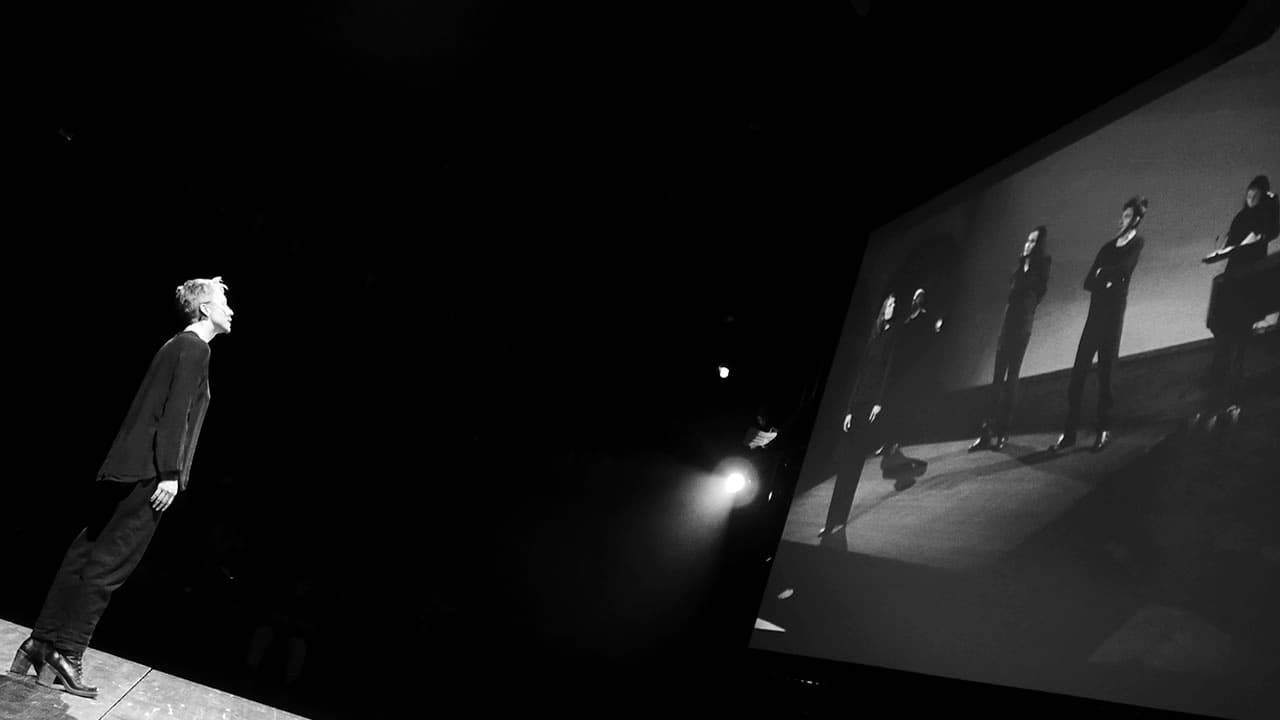
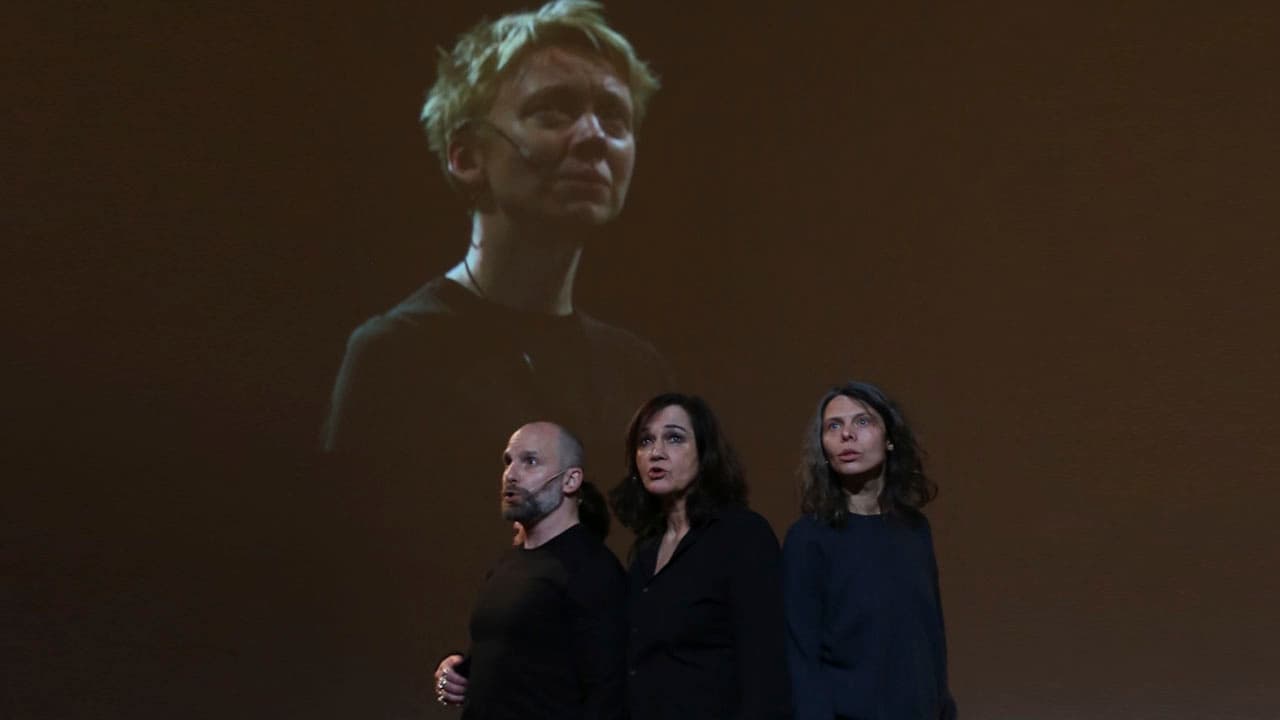
Eisler/Prokoll I - Migizko in Moscow, Breitkreiz, Kryshak, Zilcher, Bennent, Antonenko in Berlin
Two theatres in Berlin and Moscow open the spaces of their stages up to the other country. Thus more than 200 choristers, actors and musicians perform via livestream simultanously in Berlin and Moscow. Together they stage a cross-boarder kaleidoscope of voices from the Russian and German avant-gardes of the 1920s and critically re-examin the texts for today.
‘There were two aspects that I found very remarkable about this performance. Firstly, the massive use of choirs in two cities - together with the actors - which not only signifies and emphasizes the collective nature of the plot, but also estranges the cruel content. This is a line that began with Andrzej Wirth's New York production from 1970 - who discovered a very similar effect of aesthetic tension (against the ideological content) with young dancers at that time. Here this could be experienced on the musical level of the choirs. On the other hand, the confrontation with ‘Path of October’ was something new - a kaleidoscope of Russian voices, some of which saw chaos approaching, albeit still with hope in their time.’ Thomas Irmer, Magazin of International Brecht Society, 2023
Logo 1
Logo 2
Logo 3
Logo 4
Logo 5
Logo 6